
TriEnda designs and manufactures reusable automotive material handling and packaging systems that help OEMs and Tier 1 suppliers protect components, improve efficiency, and scale automation in high-volume production environments.
Automotive Material Handling & Packaging Solutions
01 /
Automotive Packaging Expertise
TriEnda engineers automotive packaging systems and returnable transport solutions built for demanding manufacturing environments. We combine twin-sheet thermoforming, single-sheet thermoforming, injection molding, and precision metal fabrication to deliver durable, high-performance packaging platforms.
Our team develops custom automotive packaging solutions that:
Protect high-value components during transport
Improve material flow and line-side efficiency
Integrate seamlessly with automation and robotics
Support sustainable, closed-loop logistics systems
We manufacture returnable containers, custom dunnage, EV battery packaging, wheel packs, automotive pallets, and metal rack systems designed for repeatable handling and long-term durability.
Key Capabilities in Automotive Material Handling
TriEnda delivers end-to-end automotive material handling solutions engineered for performance, scalability, and automation:
Design and production of returnable automotive containers and custom dunnage
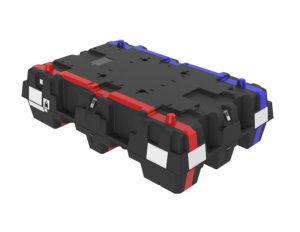
Engineering of EV battery packaging with compliant transport configurations
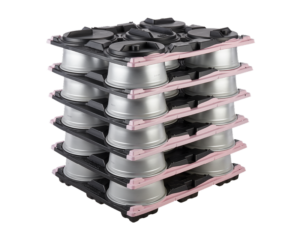
Manufacturing of wheel packaging systems and AIAG-compliant wheel packs
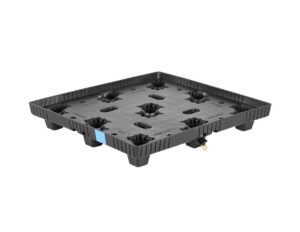
Production of injection molded automotive pallets and reusable plastic pallets
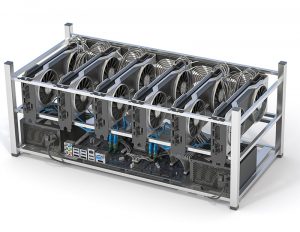
Fabrication of custom metal racks and structural racking systems
Development of twin-sheet thermoformed structural packaging
Creation of single-sheet lightweight transport packaging
Integration of automation-compatible packaging for conveyors and assembly lines
02 /
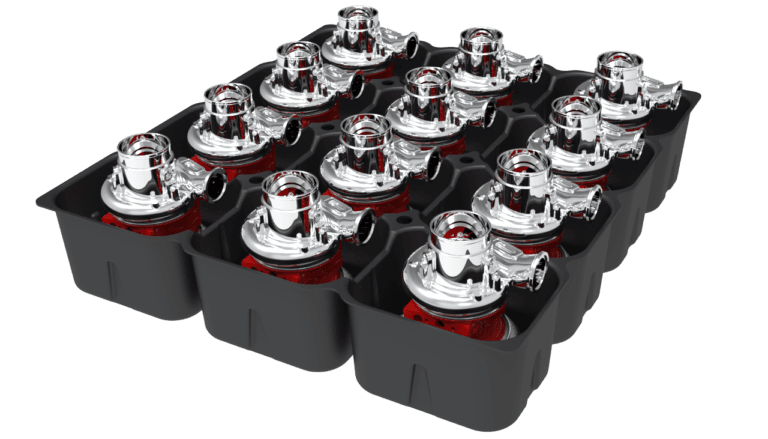
Automotive Products
03 /
Advantages

DRIVE COST EFFICIENCY
As an industry player for over 40 years, we live and breathe by the latest market pricing. We consistently work to streamline our processes to ensure we provide the highest quality solutions at the lowest possible price.

CONSISTENT COMMUNICATION
From our personable sales team to a dedicated customer service team, you’ll never wonder about the status of your project. Our consistent communication starts from our very first meeting and facility tour to the day your order is completed.

INNOVATIVE DESIGNS
You won’t get the same designs you’ve seen from other firms. With one of the largest engineering staffs in the country, we have the benefit of a collaborative team of experts to help us deliver outstandingly innovative solutions.

FULL-SERVICE CAPABILITIES
We are a one-stop-shop offering sales, engineering, and manufacturing all under the same umbrella. With just one phone call, you’ll have instant access to industry leaders and professionals here to upgrade your experience.

ISO 9001:2015 CERTIFIED COMPANY
We are an ISO 9001: 2015 certified company with cost-effective and high-quality packaging and material handling solutions. Whether you’re an automotive manufacturer or tier buyer, we have in-stock high-density polyethylene (HDPE) products for your needs, including: custom and standard automotive component bins, trays, packs and pod-like containers offering total enclosed product protection.

AIAG TESTING STANDARDS
TriEnda manufactures automotive packaging to meet applicable AIAG testing and performance standards, ensuring our containers, pallets, and transport systems perform reliably in real-world automotive logistics environments. Our packaging is engineered and validated for durability, repeat handling, stacking strength, and transport performance to align with the expectations of OEM and Tier 1 supply chains. This standards-driven approach supports consistent quality, predictable lifecycle performance, and long-term reliability in closed-loop automotive programs.
04 /
TESTING STANDARDS
AUTOMOTIVE FAQ's
Why do Tier 1 suppliers use returnable automotive packaging?
Tier 1 suppliers use returnable automotive packaging to reduce expendable waste, improve part protection, and lower long-term logistics costs. Reusable packaging systems support closed-loop shipping programs, improve trailer density, and ensure consistent line-side presentation in high-volume manufacturing environments.
Returnable packaging also supports sustainability goals and reduces total cost of ownership.
What are automotive packaging systems?
Automotive packaging systems are engineered reusable containers, pallets, racks, and dunnage designed to transport parts safely between suppliers, assembly plants, and distribution centers. These systems protect high-value components, support automation, and enable closed-loop logistics across Tier 1 automotive supply chains.
Modern automotive packaging is built for repeatable handling, standardized footprints, and compatibility with conveyors and robotic systems.
What parts require custom automotive dunnage?
Custom dunnage is commonly required for wheels, EV battery modules, body panels, driveline assemblies, electronics, and fragile subassemblies. Engineered dunnage stabilizes components, prevents part-to-part contact, and protects surfaces during transit and storage.
Each packaging system is designed to match the geometry, weight, and handling requirements of the specific component.
.
Can automotive packaging be used with automation systems?
L
Yes. Automotive packaging is often engineered specifically for automation compatibility. Containers and pallets can be designed for conveyor transport, robotic pick points, automated storage systems, and standardized footprints that support repeatable handling in assembly plants.
Automation-ready packaging improves efficiency and reduces manual handling risk.
How is EV battery packaging different from standard packaging?
EV battery packaging requires higher structural protection, enclosed containment options, and program-specific transport considerations. Because battery modules are high-value and sensitive components, packaging must provide enhanced stability and impact protection.
Engineered EV packaging ensures safe movement across domestic and international automotive supply chains.
What manufacturing processes does TriEnda use for automotive packaging?
TriEnda manufactures automotive packaging using twin-sheet and single-sheet thermoforming, injection molding, and precision metal fabrication. These capabilities allow us to engineer lightweight containers, structural packaging, heavy-duty pallets, and custom rack systems tailored to automotive production environments.
By combining multiple manufacturing processes in-house, TriEnda delivers integrated packaging solutions designed for durability, repeatable performance, and automation compatibility.
Does TriEnda design custom automotive packaging systems?
Yes. TriEnda specializes in custom engineered automotive packaging systems designed around specific components, plant workflows, and logistics requirements. Our engineering team develops packaging that protects parts, improves material flow, and integrates with automation and line-side handling.
Custom solutions include containers, dunnage, racks, pallets, and returnable transport systems.
How does TriEnda support sustainable automotive packaging?
TriEnda’s reusable packaging systems reduce expendable materials and support closed-loop logistics programs that minimize waste. Durable thermoformed containers and injection molded pallets are designed for long service life, helping manufacturers reduce environmental impact while improving operational efficiency.
Reusable packaging is a key component of sustainable automotive manufacturing.
What industries within automotive does TriEnda serve?
TriEnda supports a wide range of automotive sectors including EV manufacturing, wheel and tire programs, powertrain components, interior assemblies, and structural parts. Our packaging systems are used by OEMs and Tier 1 suppliers across North American and global automotive supply chains.
We engineer packaging to match the performance and handling requirements of each application.
What is the difference between single-sheet and twin-sheet thermoforming?
Single-sheet thermoforming forms one heated plastic sheet into a molded shape. It is typically used for lightweight packaging, trays, covers, and components where structural strength requirements are moderate. Single-sheet parts are cost-effective, efficient to manufacture, and ideal for applications where weight reduction is important.
Twin-sheet thermoforming bonds two heated plastic sheets together to create a hollow, structural part. This process produces rigid containers and packaging with high strength-to-weight ratios. Twin-sheet designs are commonly used for returnable automotive containers and structural packaging that must withstand repeated handling and stacking.
In automotive packaging, single-sheet is often chosen for lightweight protective components, while twin-sheet is preferred for structural durability and long service life.
What are the benefits of twin-sheet thermoforming compared to single-sheet?
Twin-sheet thermoforming provides greater structural strength, impact resistance, and load-bearing capacity compared to single-sheet forming. Because two sheets are fused together, the resulting part behaves like a hollow structural panel, making it ideal for heavy-duty returnable containers and automotive transport packaging.
Single-sheet thermoforming offers advantages in cost efficiency, reduced material usage, and lighter weight. It is well suited for protective packaging, liners, and components where maximum rigidity is not required.
The choice between single-sheet and twin-sheet depends on performance requirements, weight targets, and lifecycle expectations.
What plastics are commonly used in thermoformed automotive packaging?
Automotive thermoformed packaging is commonly produced using engineered thermoplastics selected for durability, impact resistance, and environmental performance. The most common materials include ABS, HDPE, and TPO, each offering distinct advantages depending on the application.
Material selection is based on structural requirements, temperature exposure, chemical resistance, and expected lifecycle.
What are the benefits of HDPE in automotive thermoforming?
HDPE (high-density polyethylene) is known for toughness, chemical resistance, and long-term durability. It performs well in harsh environments and repeated shipping cycles, making it a strong choice for returnable automotive containers and pallets.
HDPE is lightweight, recyclable, and resistant to moisture and many industrial chemicals, supporting sustainable packaging programs.
What are the benefits of ABS plastic in thermoforming?
ABS (acrylonitrile butadiene styrene) is valued for its impact resistance, rigidity, and dimensional stability. It provides excellent surface finish and structural performance, making it suitable for automotive packaging that requires consistent shape retention and strength.
ABS is commonly used in applications where durability and appearance are important, such as protective panels and engineered packaging components.
What are the benefits of TPO in thermoformed packaging?
TPO (thermoplastic olefin) combines flexibility with impact resistance and weather durability. It performs well in temperature extremes and is often used in automotive applications requiring toughness and resilience.
TPO is especially effective for packaging exposed to outdoor environments or repeated handling where crack resistance is critical.